


Essential Guide to Choosing the Best Cutting Boards for Your Kitchen
- Kati Sarbu, MS, RDN, CDE

- Dec 13
- 3 min read
Choosing the right cutting board can make a big difference in your cooking experience. For beginner cooks, the variety of options can feel overwhelming. This guide will help you understand the key features of cutting boards, so you can pick the best one for your kitchen needs.

Why the Right Cutting Board Matters
A cutting board is more than just a surface to chop on. It protects your knives, keeps your kitchen clean, and helps prevent cross-contamination. Using the wrong board can dull your knives quickly or even cause bacteria to grow. For beginners, investing in a good cutting board is a smart step toward safer and more enjoyable cooking.
Types of Cutting Boards
There are several materials to choose from, each with pros and cons. Here are the most common types:
Wood Cutting Boards
Wood boards are popular for their durability and knife-friendly surface. They are gentle on blades, which helps keep knives sharp longer. Hardwoods like maple, walnut, and cherry are best because they resist deep cuts and bacteria buildup.
Pros:
Gentle on knives
Long-lasting with proper care
Natural antibacterial properties
Cons:
Require regular oiling to prevent drying
Not dishwasher safe
Can stain or absorb odors if not cleaned properly
Plastic Cutting Boards
Plastic boards are lightweight and affordable. They come in various colors, which is helpful for separating tasks like cutting meat and vegetables to avoid cross-contamination. Most plastic boards are dishwasher safe, making cleaning easier.
Pros:
Easy to clean and dishwasher safe
Color-coded options for food safety
Affordable and widely available
Cons:
Can develop deep grooves that harbor bacteria
Less durable than wood
May dull knives faster
Bamboo Cutting Boards
Bamboo is a sustainable option that is harder than many woods. It resists knife marks better but can be a bit tougher on blades. Bamboo boards are lightweight and less porous than wood, which helps reduce bacteria growth.
Pros:
Eco-friendly and renewable
Hard and durable surface
Less porous than traditional wood
Cons:
Can dull knives faster than wood
Needs regular oiling
Not dishwasher safe
Glass and Composite Boards
Glass boards look sleek and are easy to clean. However, they are very hard and can quickly dull or chip knives. Composite boards made from resin or other materials offer durability but vary widely in quality.
Pros:
Easy to clean and sanitize
Non-porous surface
Cons:
Very hard on knives
Can be slippery and noisy
Composite quality varies
Titanium Cutting Boards
Titanium cutting boards are a newer, high-end option. They are extremely durable, resistant to bacteria, and don’t warp or stain. While they are very strong, they are also harder on knives, so they’re best for those who want a long-lasting board for heavy-duty prep rather than delicate knife work.
Pros:
Extremely durable and long-lasting
Non-porous and hygienic
Resistant to stains and warping
Cons:
Can dull knives faster than wood or bamboo
Typically more expensive
Heavier and less forgiving for delicate chopping
Size and Thickness Matter
Cutting boards come in many sizes. For beginners, a medium-sized board around 12 x 18 inches is versatile enough for most tasks. Thicker boards tend to be more stable and durable but heavier to handle.
Look for boards with non-slip feet or edges to keep them steady during use. Stability helps prevent accidents and makes chopping easier.
Caring for Your Cutting Board
Proper care extends the life of your cutting board and keeps it safe to use.
Wood and bamboo boards: Clean with warm, soapy water and dry immediately. Apply food-safe mineral oil once a month to prevent cracking. Avoid soaking or putting them in the dishwasher.
Plastic boards: Can be washed in the dishwasher or by hand. Replace when deep grooves appear.
Avoid harsh chemicals that can damage the surface or leave residues.
Recommended Cutting Boards for Beginners
Here are some cutting boards that balance quality, ease of care, and price, perfect for those just starting out:
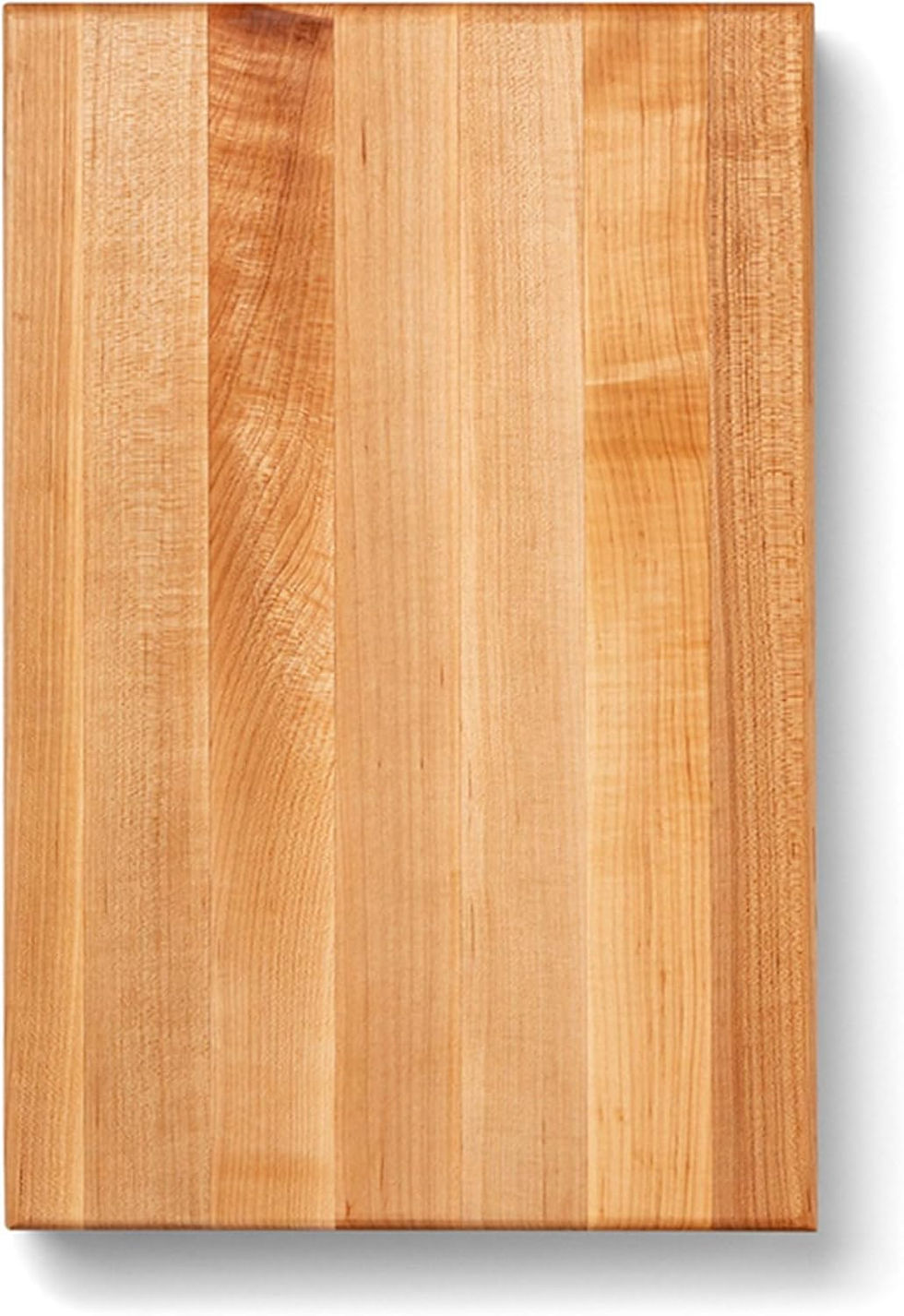
John Boos Maple
Cutting Board
A classic hardwood board known for durability and knife friendliness. Superior Craftsmanship.

Astercook Bamboo Cutting Boards
Premium bamboo, resists warping, cracking, and water absorption. Set of 3 with matching stand.

Titanium Cutting Boards
Non Toxic Cutting Board made from Food Grade Titanium and and Wheat Straw PP. Non-slip feet.

Non-Toxic Cutting Board Set
4-piece plastic chopping board set with holder. Non-Toxic & BPA-Free Materials. Dishwasher safe.
Final Thoughts on Choosing Your Cutting Board
Choosing the right cutting board depends on your cooking habits and priorities. Wood boards offer the best balance of durability and knife care but need more maintenance. Plastic boards are easy to clean and budget-friendly but may wear out faster. Bamboo is a good eco-friendly middle ground.
Start with one or two boards to cover different tasks, such as one for raw meat and another for vegetables. This simple step improves kitchen safety and keeps your food tasting fresh.


Comments